Measuring Australia's digital divide

The Australian Digital Inclusion Index tracks and reports on digital inclusion in Australia

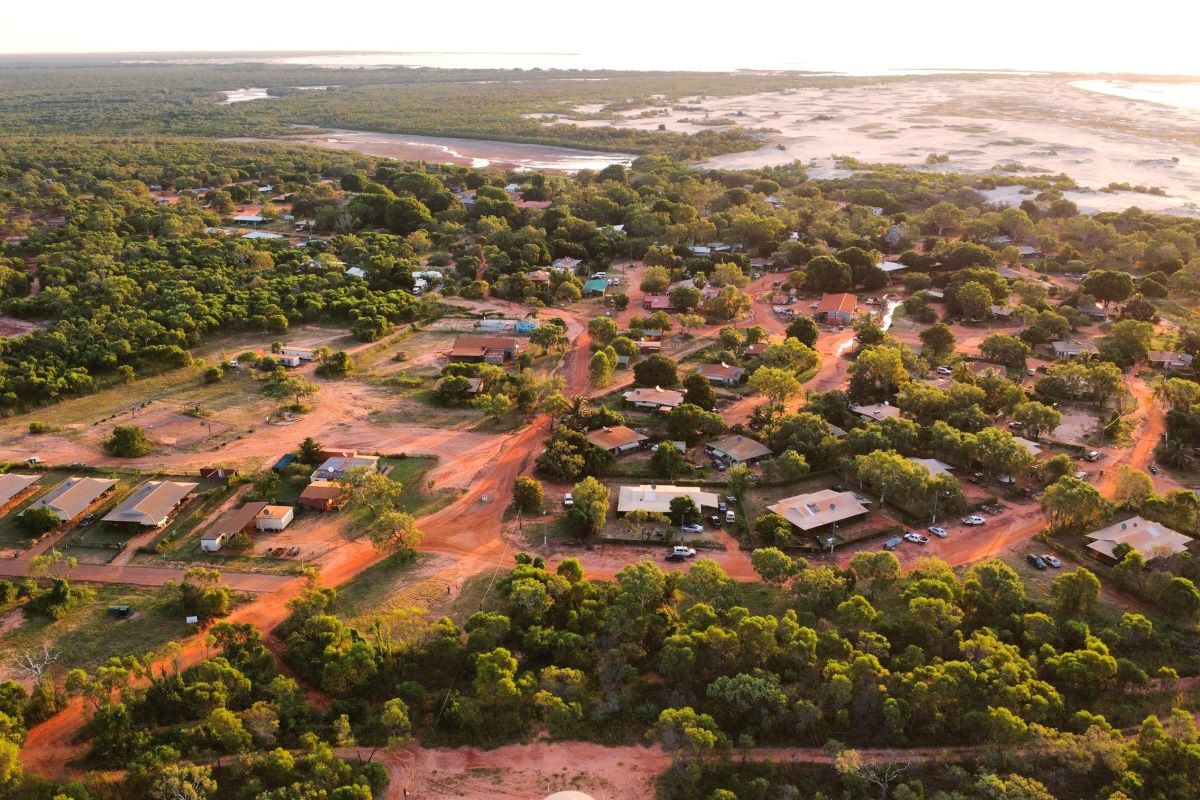
Djarindjin and Lombadina at sunset

What is digital inclusion?

Digital inclusion is about ensuring that everyone can access, afford and has the ability to connect, participate and benefit from the digital world.

Child attending school at home

Are we closing the digital gap in Australia?

Watch this short video for an overview of the Australian Digital Inclusion Index and the key insights from this year’s study.

Key scores

ADII Score
0

Digital inclusion at the national level continues to improve.

Access score
0

Access has improved since 2023, with scores rising 4.8 points nationally to 76.8.

Affordability score
0

The 2025 Affordability score is 70.3, with significant levels of affordability stress for low-income households.

Digital Ability score
0

Digital Ability has improved since 2023, with scores rising 8.7 points to 73.6.

Key findings

First Nations digital gap
0 points

The national gap between First Nations and other Australians is 10.5 points. It widens sharply in remote (16.5) and very remote (22.8) areas. 40.9% of First Nations people are digitally excluded.

Digital exclusion
0 %

Around one in five (20.6%) Australians are excluded or highly excluded and roughly one in ten (9.2%) are highly excluded. Rates of exclusion are much higher for people aged 75+ years (66.5%), those who did not complete secondary school (54.5%), public housing residents (45.2%) and First Nations people (40.9%).

Mobile-only users
0 %

Almost one in ten Australians rely solely on mobile access, limiting opportunities for work, study and access to essential services. Rates are higher for public-housing residents (18.8%), those without secondary school completion (17%), people with disability (14.3%) and those living outside capital cities (12.4%).

Compromising on speed/data
0 %

Due to cost pressures, around a fifth of Australians cut back on speed or data to stay connected. This underprovision limits access to study, work and vital services.

GenAI uptake
0 %

Almost half of Australians recently used a generative AI tool. Use is higher among people aged under 45, students and those working in professional and managerial roles.

Regional gap
0 points

Digital inclusion remains higher in capital cities than elsewhere. Outside capitals, gaps are largest for Digital Ability (7.8 points) and Affordability (5.3 points).

Reports and case studies

ADII Report 2025 Front Cover

Download Report

The 2025 Australian Digital Inclusion Index

Click below to download the full report in PDF format. Index data is available to explore and download via the interactive data dashboards.

Image of woman in regional Australia looking at mobile device to check her reception

Case study: Digital inclusion and the changing state of connectivity in regional Australia

Most regional Australians now rely on connectivity that works most of the time. Daily internet use is the norm, and most households combine a home broadband service with mobile to get things done at work, school and home.
Image of man working from home looking at mobile device sitting outside.

Case study: The uneven shift to remote work in Australia

The rapid shift to remote work in response to the COVID-19 pandemic brought lasting changes to how, where and when many Australians work. What began as an emergency response in 2020 has, in many sectors, evolved into a long-term reconfiguration of work patterns.
Image of woman using artificial intelligence on her laptop in the office

Case study: The AI Divide in Australia

Within months of the release of AI-powered chatbot ChatGPT in late 2022, AI moved from specialist interest to topic of mainstream discussion. But which Australians are using generative AI (GenAI) tools? And how are they using them?

News and updates

Updates

Australian digital inclusion insights shared with UNDP Malaysia and Malaysian government representatives

ADII researchers joined UNDP Malaysia and government leaders to share lessons from the Australian Digital Inclusion Index. The session supported Malaysia’s work on its own Digital Inclusivity Index to tackle the digital divide.

News

New Report: First Nations Australians twice as likely to be digitally excluded

First Nations Australians are twice as likely as other Australians to be digitally excluded and face barriers to accessing, affording and using the internet. For those living in remote Australia, the barriers are much greater.

Get in touch

If you would like to know more about the research, please get in touch by clicking below.